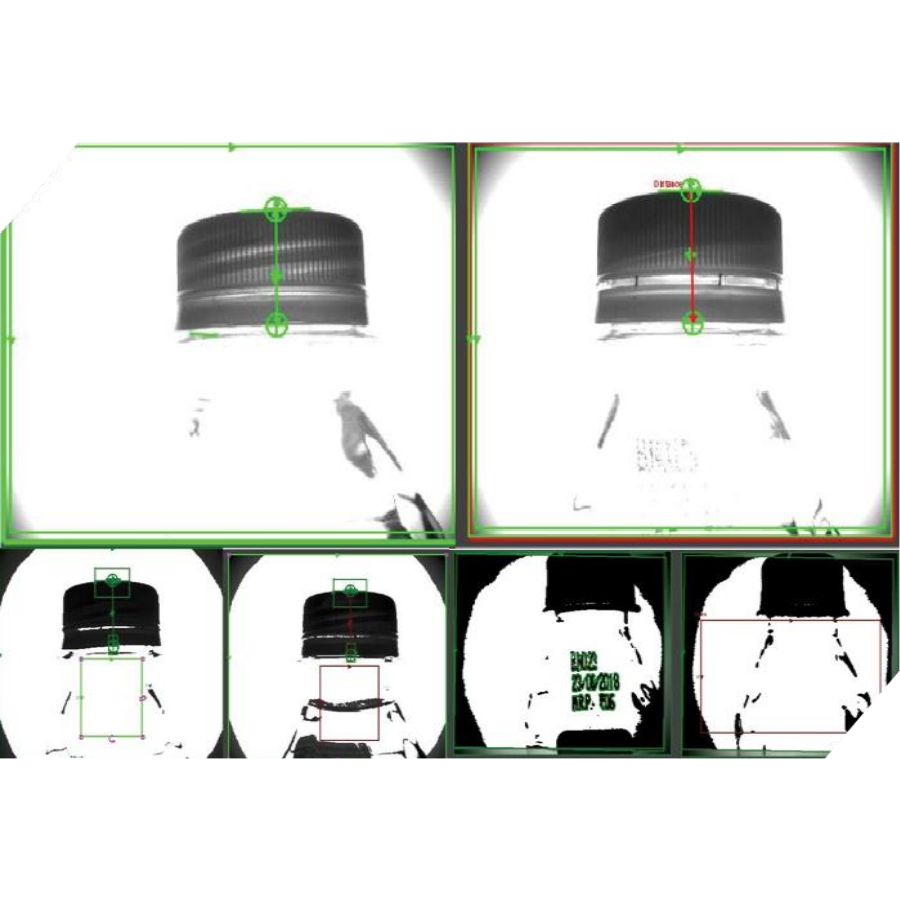
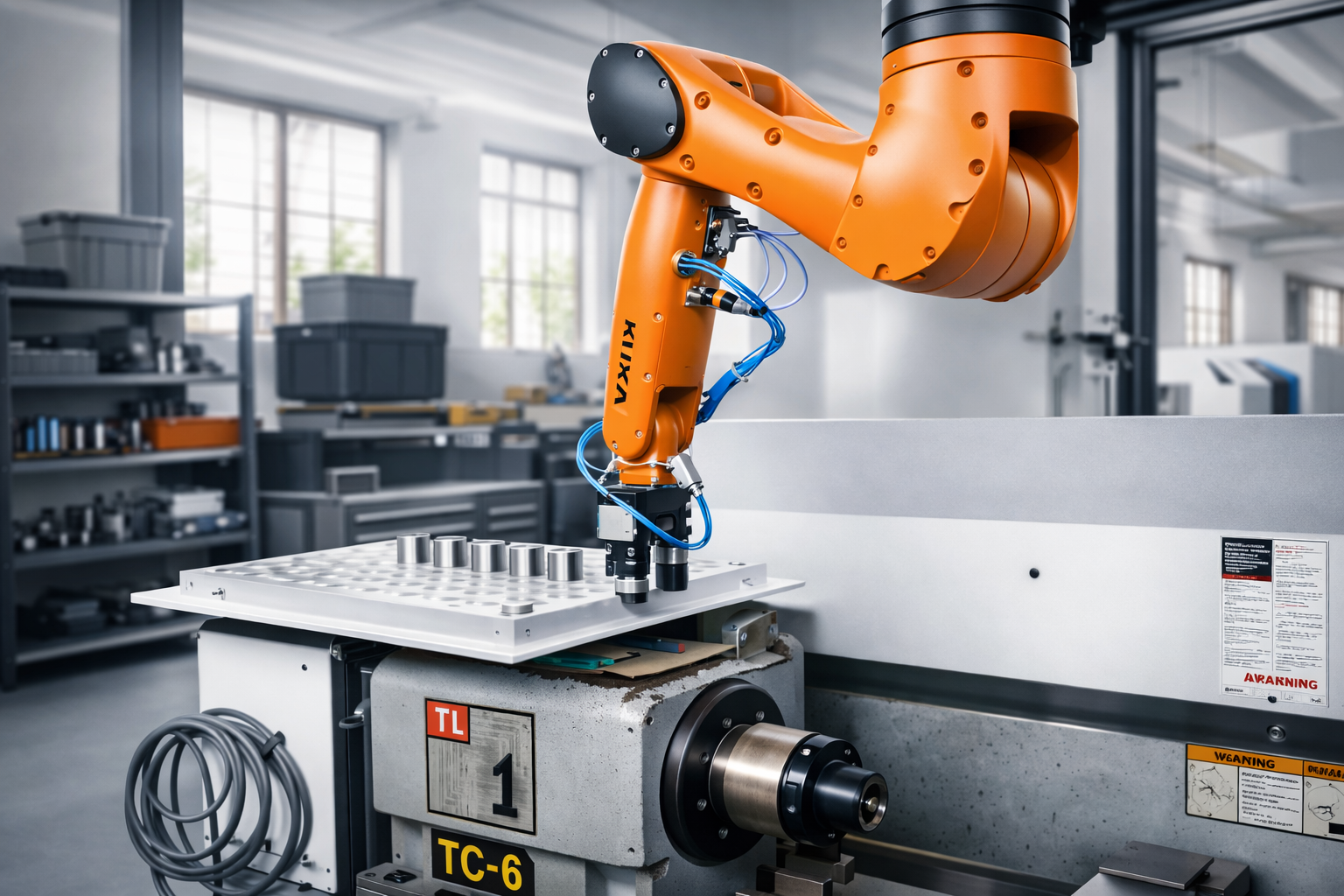
Robotic vision systems consist of one or more cameras. Special purpose lighting, software, and a robot or robots. The camera takes a picture of the working area or object the robot will grip and software searches the image for features that let it determine position and orientation. This information is sent to the robot controller and the programmed positions are updated. Depending on the application. The camera might be mounted on the robot or could be in a fixed position within the cell. Calibration is usually needed to relate the vision system coordinate space to the robot.
Vision systems can be used for many different applications as follows
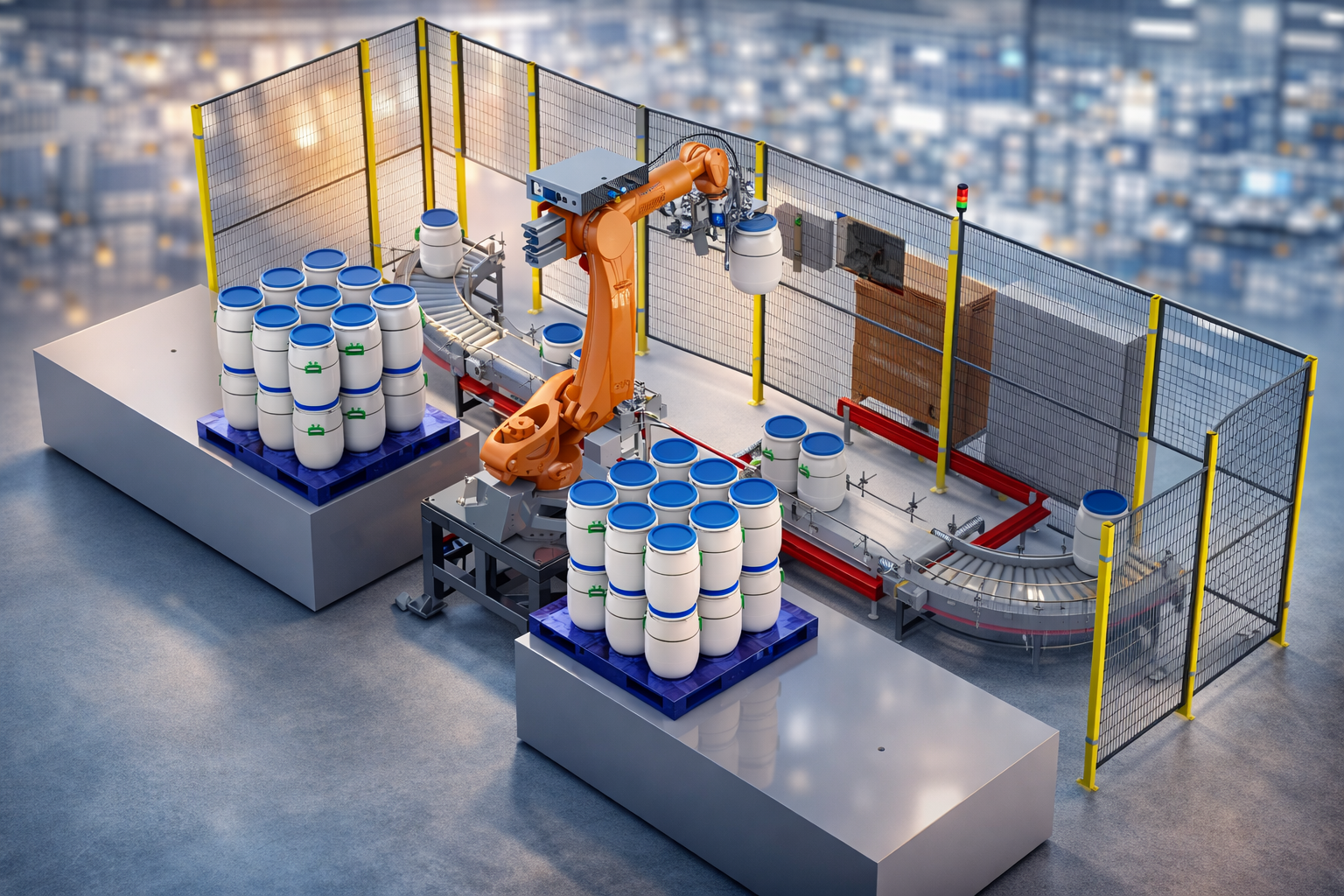
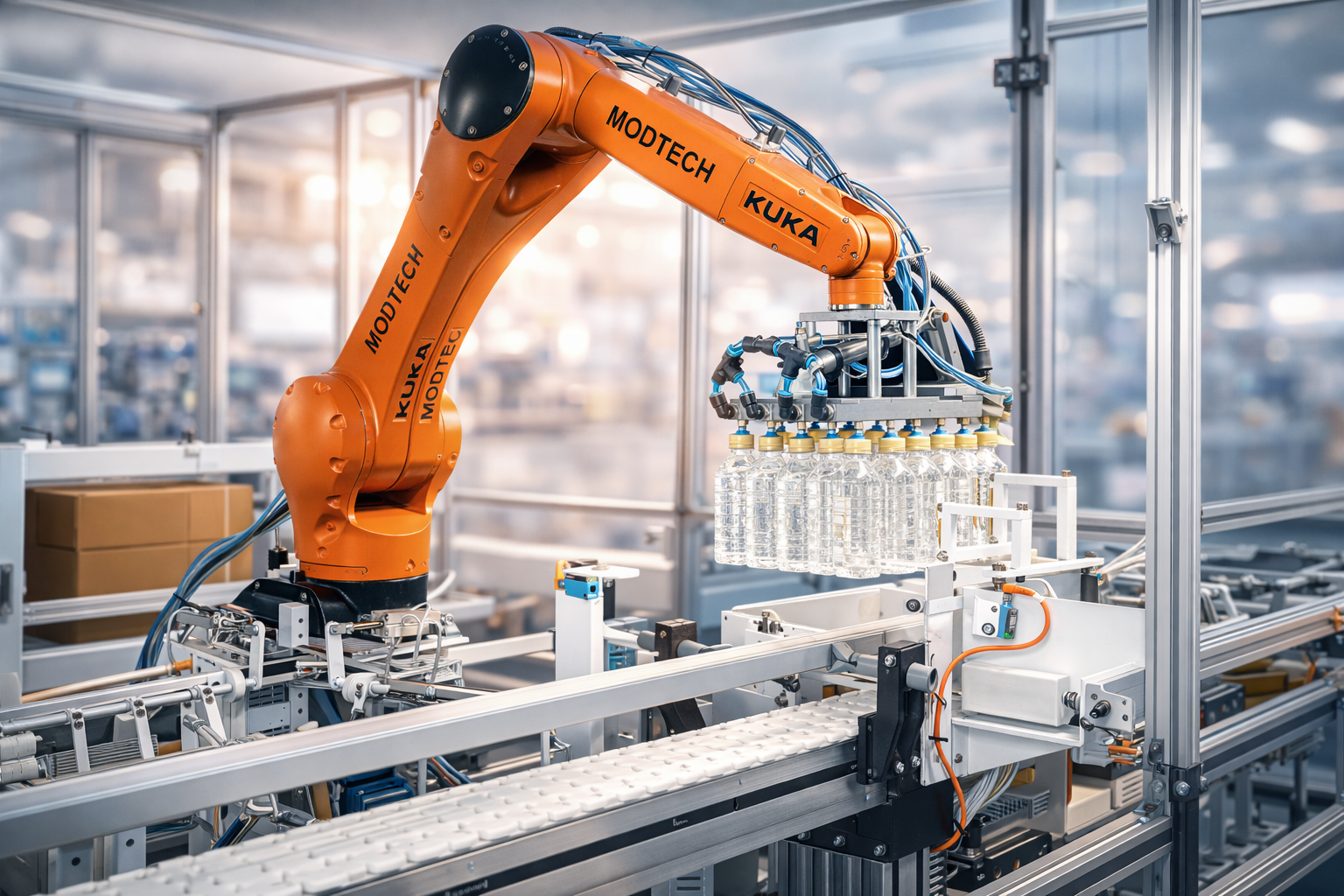
Conveyor tracking is often useful in packaging applications. The product moves into the robot cell on a conveyor without stopping. A vision system determines accurate cell position and the robot controller adds speed Information from the belt encoder - letting the vision system robot track and pick while the product is in motion. Rather than presenting every piece in precisely the same location and orientation for the robot to pick up, a vision system simplifies cell design and can lower costs, making robotic automation even easier to justify.